The problem: shingles dry out from the inside
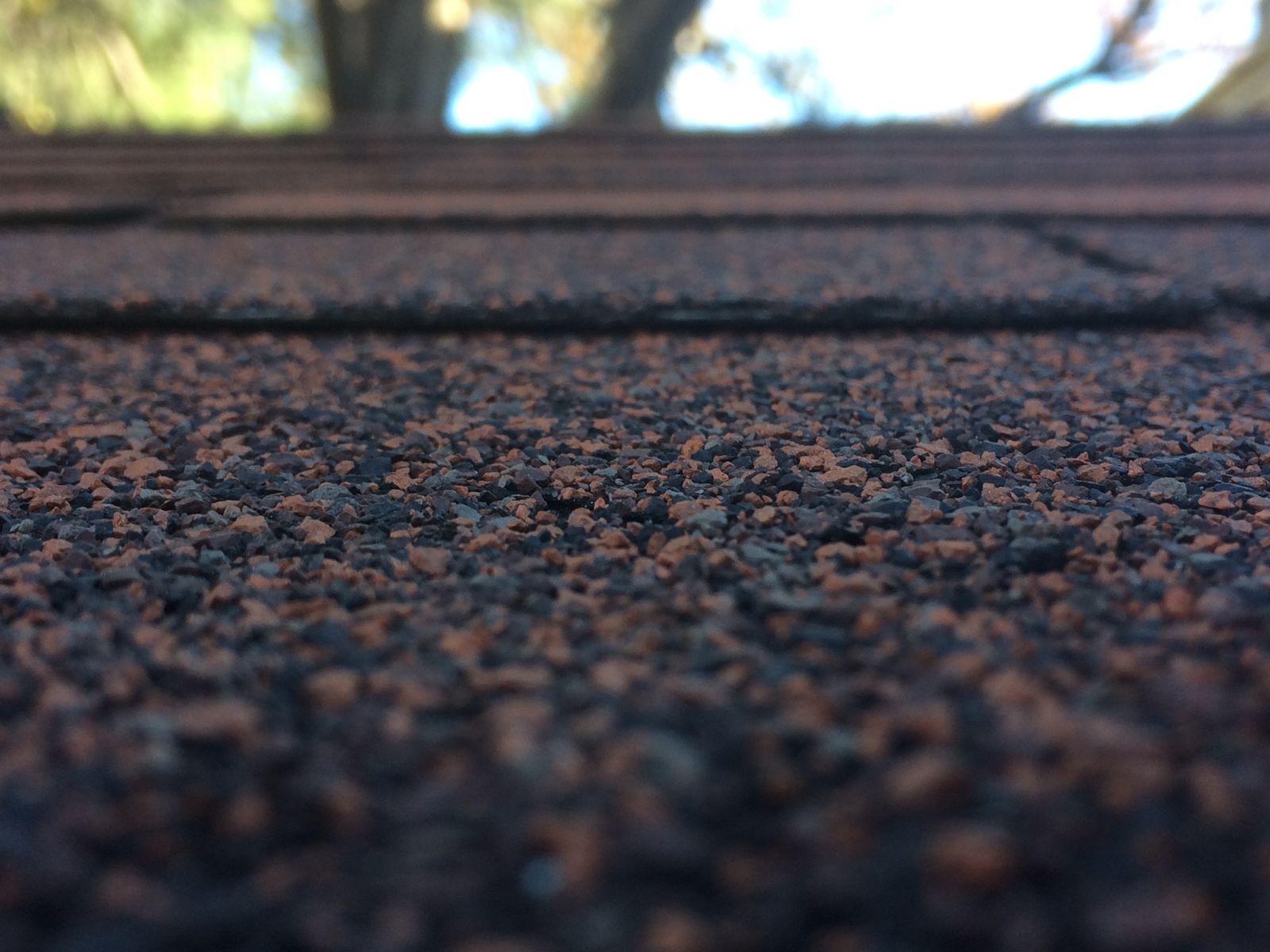
An asphalt shingle is a fibreglass mat soaked in asphalt and surfaced with mineral granules. Sun, heat and oxygen slowly drive the light oils out of that asphalt. The shingle gets stiffer, its grip on the granules weakens, and the granules — the layer that shields the asphalt from UV — start washing into the gutters. Year by year the roof ages toward the day it cracks, curls, and has to be torn off.
One boundary up front: everything on this site is about asphalt shingle roofs — the roof on most North American houses. Shingle conditioners do not apply to tile, metal, cedar shake or flat membrane roofs; those are different materials needing different care.
Roof rejuvenation (you will also see it called a shingle conditioner) is a spray-on, plant-oil treatment that soaks back into the shingle and replaces some of what the sun took out. It is maintenance, not repair — and that distinction runs everything on this site.
Our position: treat early, not desperately
Most of this young industry sells rescue: spray a 20-year-old roof and hope. We think the honest use is prevention. A roof that is treated while it is still sound — first at around year five, then roughly every five years — keeps its flexibility and keeps its granules, the two things that decide how long it lives. A roof that is already bald, curled or leaking is not a candidate, and no honest seller should take your money for it. Read the evidence page — including the shingle industry's case against these treatments — before you spend a dollar.
Start with the three products you can actually buy
Most rejuvenators are sold only through dealer networks. Three are sold openly to homeowners — they anchor our conditioner comparisons:
SoyLei APEX-1132
The science-first entry: an epoxidized soybean-oil concentrate from the Iowa State researchers who published peer-reviewed work on it. 1 gallon makes 6 gallons and covers ~1,200 sq ft. Sold on Amazon and direct.
HydraSoy
The no-franchise option: 1 gallon mixed 1:4 with water treats 1,500–2,000 sq ft. Sells direct to homeowners and contractors with free US shipping and a 5-year product guarantee.
SoyFuze
The pack-size option: sample size up to an 8-pack, published prices, free shipping. Lower coverage per gallon than the other two — the math matters, so we show it.
The 5-Year Roof Care Program
Dentists don't wait for the root canal. Our program page lays out the maintenance rhythm — inspect, clean, treat, record — on a five-year cycle starting while your roof is still young, plus a free email reminder so year five doesn't slip by. See the program