What a shingle is made of
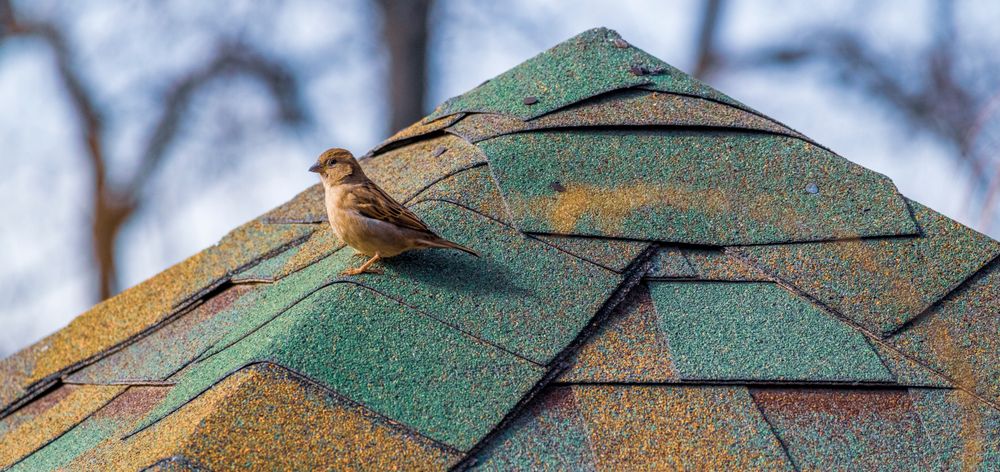
A modern asphalt shingle has three working parts:
- The mat — a fibreglass sheet that gives the shingle its shape and tear strength.
- The asphalt — the waterproofing. Fresh asphalt is flexible because of the light oils in it.
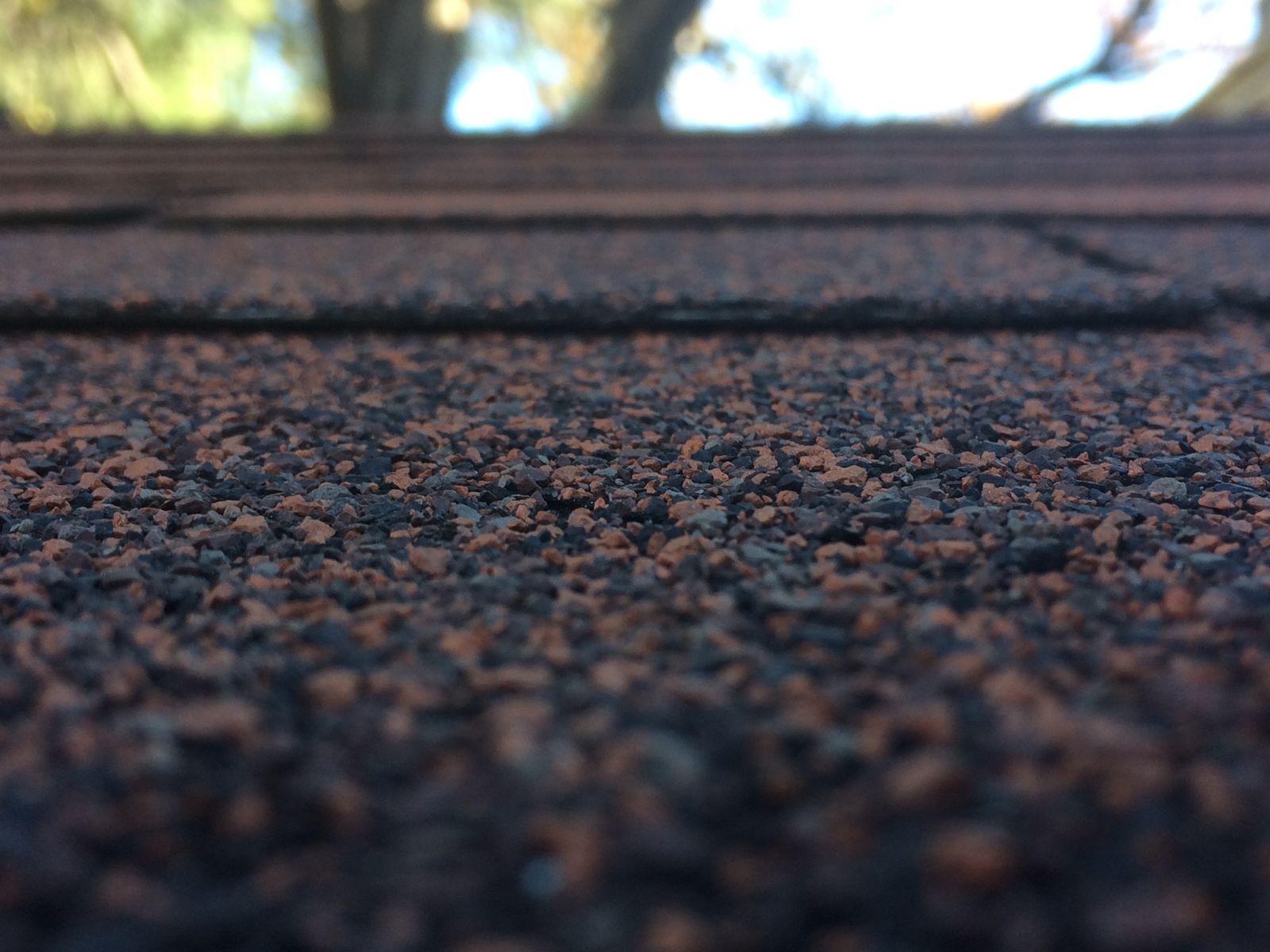
- The granules — crushed, coloured mineral rock pressed into the surface. They block ultraviolet light, add fire resistance and give the roof its colour.
How a roof ages
Heat and sunlight oxidise the asphalt year after year. The light, flexible fractions bake out; the asphalt turns harder and more brittle. Three things follow: shingles lose the ability to flex with temperature swings and foot traffic, the bond holding the granules weakens (watch your gutters after a storm — that grit is your roof leaving), and the sealant strips that glue each course to the next lose their grip, so wind gets under the edges. This is normal aging, and it starts long before a roof looks "old."
What a conditioner does
A shingle conditioner is a plant-oil emulsion — most are built on soybean oil in one of two forms: soy methyl ester (a biodiesel-family solvent oil) or epoxidized soybean oil (a modified soy oil designed to interact with oxidised asphalt). Sprayed on at low pressure, the emulsion soaks into the shingle rather than sitting on top of it. The goal is to replenish the asphalt's lost flexibility, help the shingle hold its remaining granules, and re-soften the sealant strip. Makers generally claim about five years of benefit per application.
What it cannot do
- It cannot repair leaks. Most leaks start at flashing, vents and valleys — places a spray doesn't fix.
- It cannot replace lost granules. It helps hold the ones still on the roof.
- It cannot rescue a roof with curled, cracked or missing shingles, exposed mat, or soft decking. That roof needs repair or replacement.
- It is not a moss or algae killer. Heavy growth has to be cleaned off first, as a separate step.
- It is not for other roof types. Tile, metal, cedar shake and flat membrane roofs are different materials with different care — this site covers asphalt shingles only.
Who it is for
The strongest case is a sound asphalt roof in its first half of life — roughly years 5 to 15 — treated as scheduled maintenance rather than as a last resort. That prevention-first view is the editorial line of this site, and it shapes our 5-Year Roof Care Program. If your roof is older, the honest sequence is inspection first, candidacy second, product last — our DIY guide starts with the same checklist a good applicator would use.